
Clarkstown, NY
Bathtub Reglazing & Refinishing in Clarkstown, NY
Bathtub reglazing and refinishing in Clarkstown, NY refresh worn tubs, resist stains, and extend life.
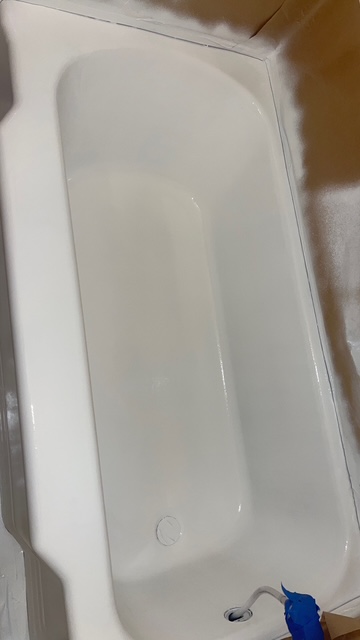
Clarkstown homeowners can revitalise aging bathtubs through reglazing and refinishing, restoring a fresh appearance while addressing underlying wear. Reglazing is faster and less disruptive for cast iron and porcelain tubs, while refinishing provides more extensive repairs for chips, rust, and deep stains. The process includes inspection, prep, repairs, priming, and multiple topcoats, with most reglaze jobs finished in as little as one day and longer timelines for refinishing. Finished surfaces resist staining and preserve historic fixtures in Clarkstown homes.
Can I get bathtub reglazing and refinishing in Clarkstown, NY?
Reviving a worn, stained, or chipped bathtub is one of the simplest ways to refresh a bathroom without the disruption and expense of a full replacement.
In Clarkstown, NY — where many homes feature older cast iron and porcelain fixtures and local water can leave mineral stains — professional bathtub reglazing and refinishing restores surfaces to a fresh appearance while addressing underlying damage.
Why should I choose reglazing or refinishing for my Clarkstown home?
• Many Clarkstown homes were built decades ago and still have original cast iron or porcelain tubs that are structurally sound but cosmetically aged.
• Local municipal and well water in the Hudson Valley often causes hard-water staining and mineral buildup; resurfacing removes surface discoloration and applies a finish that resists staining.
• Reglazing/refinishing is faster, less disruptive, and typically far less costly than removal and replacement, with minimal dust and no demolition required.
• A professionally applied finish improves hygiene by sealing porous worn glaze and making the surface easier to clean.
Refinishing versus a standard reglaze: which is right?
• Standard reglaze (recoat): Best when the existing surface is intact with only surface wear, dullness, or light staining. The process typically requires cleaning, light abrasion or etching, and application of a bonding primer and topcoat.
Ideal for a cosmetic refresh.
• Full refinishing: Recommended when the tub has chips, deep scratches, rust, significant staining, hairline cracks, or prior poor-quality coatings. Refinishing includes more extensive repair work — filling chips, treating rust, and rebuilding the substrate — before applying high-build primers and topcoats.
• Recoat vs refinishing decision factors:
• Extent of damage (chips/cracks/rust require refinishing)
• Material type (cast iron and porcelain often benefit from full refinishing when damage is present)
• Desired color change or finish — full refinishing provides a more consistent result for dramatic color changes
• Substrate condition — refinishing with full repairs gives the new finish a sounder base
What are common bathtub issues in Clarkstown homes?
• Yellowing or surface staining from hard water and old cleaners
• Chips and enamel flaking on cast iron tubs
• Surface dulling and micro-scratches from decades of use
• Rust around drains or where metal is exposed
• Old or failed coatings from DIY paint jobs that peel or look uneven
• Grout and caulk failure at the tub/tile junction causing cosmetic staining and potential moisture intrusion
What should I expect during the professional repair and resurfacing process?
1. Initial inspection: Assess material, damage, old coatings, and surrounding tile or fixtures to determine whether a recoat or full refinishing is needed.
2. Prepping the area: Protect surrounding surfaces, remove drain hardware as needed, and ventilate the space.
3. Deep cleaning and degreasing: Remove soap scum, mineral deposits, mildew, and old cleaners that interfere with adhesion.
4. Surface abrasion or etching: Light sanding or acid etch creates a profile for primers to bond to. For refinishing, more aggressive preparation removes old coatings and loose enamel.
5. Repairs: Fill chips and cracks with epoxy or repair mortars; treat and seal any rust; reinforce thin areas if necessary. Proper repair is critical for a smooth finish.
6. Priming and bonding: Apply a specialized bonding primer formulated for bath substrates (porcelain, ceramic, or cast iron).
7. Topcoats: Apply multiple thin coats of high-performance acrylic or polyurethane finishes for a smooth, glossy surface.
8. Curing and reassembly: Allow recommended cure time before reinstalling hardware and returning the tub to service. Initial use restrictions and full cure timelines vary by coating system.
Most straightforward reglaze jobs are finished in as little as one day; full refinishing with repairs can take longer depending on repair complexity and cure times.
What materials are used and what results should I expect?
• Coating types: Two-component polyurethane and epoxy-acrylic systems are common. Professional systems offer superior adhesion, chemical resistance, and gloss retention compared with consumer spray paints.
• Finish options: High-gloss white is the most common, but custom colors are possible, and some reglazers offer textured slip-resistant finishes.
• Adhesion: With proper prep and application, a professional reglaze or refinish bonds well to the tub. Full refinishing with repairs generally gives the best resistance to chipping and peeling.
• Appearance: Expect a smooth, high-gloss surface that conceals staining, restores brightness, and provides a uniform look across the tub floor and sides.
What factors should I consider that affect pricing?
• Extent of repairs needed (chips, rust, cracks)
• Tub material and condition (cast iron often requires more prep than acrylic)
• Ability to access and protect surrounding tile, countertops, and flooring
• Color change complexity (light to dark or custom colors may require extra coats)
• Whether hardware removal, drain flange replacement, or re-caulking is included
• Choice of coating system and warranty level
Rather than focusing on fixed prices, weigh estimates by scope of work, materials specified, and documented warranty coverage.
What is the warranty and aftercare guidance?
• Typical professional warranties vary by job scope and materials; they may cover adhesion and finish defects for a defined period. Understand what the warranty includes and what voids coverage (for example, neglect or improper cleaners).
• Curing and first use: Most coatings allow limited, gentle use within 24–48 hours, but full hardness often takes up to 7 days. Follow any manufacturer or applicator guidance for wait times.
• Cleaning: Use non-abrasive, pH-neutral cleaners. Avoid scouring pads, powdered cleansers, or harsh acids/bleach that can dull or etch the finish.
• Preventive care:
• Replace or repair torn bath mats that trap moisture against the finish.
• Recaulk joints promptly if the caulk is cracked or pulling away to prevent moisture intrusion.
• Avoid dropping heavy objects on the surface to prevent chips.
• Touch-ups: Minor chips can sometimes be repaired locally without a full recoat if addressed quickly.
What are the long-term benefits and maintenance schedule?
• Benefits: A striking visual transformation, extended fixture life, less disruption than replacement, and cost-effective renewal for historic tubs common in Clarkstown.
• Maintenance rhythm:
• Weekly gentle cleaning to remove soap scum and mineral buildup
• Inspect caulk and grout annually
• Address small chips or scratches promptly to prevent moisture penetration
• Recoat or professional inspection when wear begins to show
A professionally executed reglaze or full refinishing project can make an aged tub look and function fresh while conserving resources and preserving original fixtures common to Clarkstown’s residential character. When evaluating options, compare the scope of repairs, coating systems, and written warranty details to ensure the result meets your expectations.
Every service starts with a free estimate
Your tub has one more life in it. Let's bring it out.
Call or text Hudson Tubs for a free, flat-rate estimate — most tubs are reglazed in a single day and back in service within 24–48 hours.
Flat-rate pricing · Written warranty · A fraction of replacement cost