Ramapo, NY
Bathtub Reglazing & Refinishing in Ramapo, NY
Professional bathtub reglazing and refinishing in Ramapo, NY. Restore a fresh finish that resists stains and is easy to clean.
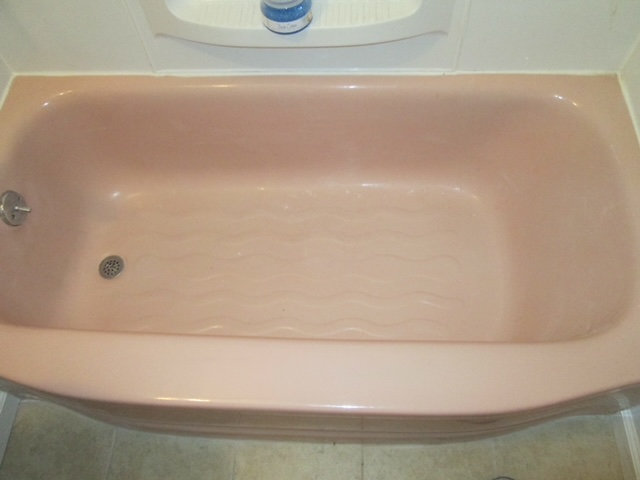
Bathtub reglazing and refinishing in Ramapo, NY provides an affordable alternative to replacement by restoring a worn finish and improving stain resistance. This page outlines when reglazing is appropriate versus full refinishing or replacement, the inspection checklist, the step-by-step restoration workflow, materials used, expected results, warranty coverage, and care tips. Homeowners learn how quality coatings, proper surface preparation, and professional application deliver a fresh tub with minimal downtime.
Who does bathtub reglazing and refinishing in Ramapo, NY?
Restore a worn, stained, or outdated bathtub to a fresh finish without the expense and disruption of a full replacement.
Bathtub reglazing and refinishing in Ramapo, NY addresses common issues caused by mineral-rich hard water, age-related wear in older Rockland County homes, and the cosmetic needs of homeowners who want a simple upgrade. This page explains when refinishing is required, the materials and steps used, expected results, and typical warranty coverage—so you can decide confidently which option fits your bathroom.
Why do reglazing and refinishing make sense in Ramapo?
Ramapo sees seasonal temperature swings and hard water common to the Hudson Valley, which accelerates staining, mineral buildup, and glaze erosion on porcelain, cast iron, and ceramic tubs.
Many local homes—especially older properties with cast iron or clawfoot tubs—have solid structural tubs but have lost their finish. Reglazing and refinishing preserve the original fixture, save time and money compared with replacement, and deliver a fresh, high-gloss surface that resists stains and makes cleaning easier.
What are common bathtub problems in Ramapo, NY?
• Hard water staining and discoloration — mineral deposits build up and etch the finish over time.
• Chips and glaze loss — impact and abrasive cleaners can remove enamel in spots.
• Rust spots and pitting — especially on older cast iron tubs where moisture has reached the metal.
• Crazing and hairline cracks — visible surface crazing that traps dirt.
• Faded or outdated color — cosmetic concern when remodeling or selling.
• Worn, rough finish — loses gloss and becomes difficult to keep clean.
When is reglazing enough and when is full refinishing needed?
• Reglazing / Recoating is appropriate when: the tub surface is structurally sound, with only surface staining, minor wear, or faded gloss. Recoating applies a new topcoat to restore appearance and protect the existing substrate.
• Full refinishing is required when: there is significant enamel loss, widespread rust or pitting, large chips, delamination, or underlying damage to the substrate. Refinishing involves more extensive repair and sometimes stripping to ensure adhesion of new coatings.
• Replacement is recommended if: the tub has major structural damage (cracked shell, severe corrosion through the metal), severe plumbing issues, or if surrounding tile or deck construction must be replaced as part of a larger remodel.
What is on a typical diagnostic checklist?
A professional inspection usually includes:
• Identifying tub material (porcelain over cast iron, acrylic, fiberglass, etc.)
• Checking for rust, corrosion, or active leaks under the tub lip or drain
• Measuring the extent of chips, cracks, and glaze loss
• Verifying tile and caulk condition at the tub surround and flange
• Assessing accessibility for sanding, masking, and ventilation
What is the typical step-by-step restoration workflow?
The following is the standard process used by experienced refinishers to deliver an attractive finish:
1. Preparation and masking
• Remove drain fittings as needed, tape and protect surrounding tile, floors, and fixtures.
• Remove old caulk and clean the area thoroughly.
1. Deep cleaning and decontamination
• Use industrial cleaners to remove soap scum, oils, and mineral deposits so coatings adhere properly.
1. Surface profiling
• Mechanically sand or chemically etch the surface to create the correct bonding profile. For porcelain and enamel over cast iron, this is critical for adhesion.
1. Repairs
• Fill chips, pits, and larger gouges with compatible repair compounds (epoxy or polyester fillers).
• Treat rust with converters or remove and patch as required.
• For fiberglass and acrylic, repair delaminated areas with resin or fiberglass patching.
1. Priming / adhesion promotion
• Apply a primer or adhesion-promoting base coat designed for the substrate (e.g., rust-inhibiting primer for cast iron).
1. Topcoat application
• Apply multiple thin layers of a topcoat—typically a two-component epoxy or polyurethane/urethane-acrylic blend for a hard, glossy finish.
1. Curing
• Allow proper cure time. The finish needs 24 to 48 hours to cure before the tub is used, and full chemical cure can take up to 72 hours depending on materials and ambient conditions.
1. Finishing touches
• Reinstall hardware, recaulk perimeter, and perform a final inspection. Light buffing or polishing may be done to optimize gloss.
What materials are used and why do they matter?
• Two-part epoxy and urethane systems are standard for chemical resistance and adhesion. They produce a hard, glossy finish that resists stains and scuffs.
• High-build primers and rust treatments protect metal tubs and prevent future corrosion.
• Polyester or epoxy fillers return structural integrity in chips and pits.
What are the expected results?
• A professionally done reglaze or refinish yields a smooth, glossy, non-porous surface that looks fresh and simplifies cleaning.
• Results include improved stain resistance, refreshed color options (including color changes), and a sealed surface that helps inhibit mold and mildew at seams when properly caulked.
Is there a warranty and what does it usually cover?
• Professional reglazing and refinishing services commonly include workmanship and adhesion warranties that cover the finish against peeling, flaking, or delamination.
Industry-standard warranties often range in duration; warranties typically cover defects in application and materials when normal care is followed.
• Warranties usually exclude damage from impact, misuse, improper cleaning (abrasive cleaners or tools), or underlying structural failures not addressed during the initial inspection. Read warranty terms carefully to understand coverage and required maintenance.
What care and maintenance tips help protect the finish?
• Use non-abrasive, pH-neutral cleaners and a soft cloth or sponge. Avoid scouring powders and pads.
• Replace perimeter caulk when it shows wear to prevent moisture intrusion.
• Wipe down the tub after use to reduce mineral deposit buildup from hard water.
• Avoid dropping heavy objects that can chip the finish.
• Consider a gentle water-softening or conditioner if hard water is severe in your area.
What are the benefits versus replacement?
Reglazing and refinishing preserve existing fixtures, reduce waste, and offer a fraction of the cost and downtime of a full tub replacement.
For Ramapo homeowners with quality original tubs—especially cast iron or clawfoot models—refinishing restores beauty and function while maintaining the character and value of the home.
This page covers the practical considerations and expected outcomes for bathtub reglazing and refinishing in Ramapo, NY so you can evaluate whether restoration or replacement best meets your needs.
Every service starts with a free estimate
Your tub has one more life in it. Let's bring it out.
Call or text Hudson Tubs for a free, flat-rate estimate — most tubs are reglazed in a single day and back in service within 24–48 hours.
Flat-rate pricing · Written warranty · A fraction of replacement cost