
Ramapo, NY
Bathroom Refinishing in Ramapo, NY
Tub and tile refinishing in Ramapo homes restores tubs, sinks, and tiles with coatings, faster, less costly than replacement. Learn more.
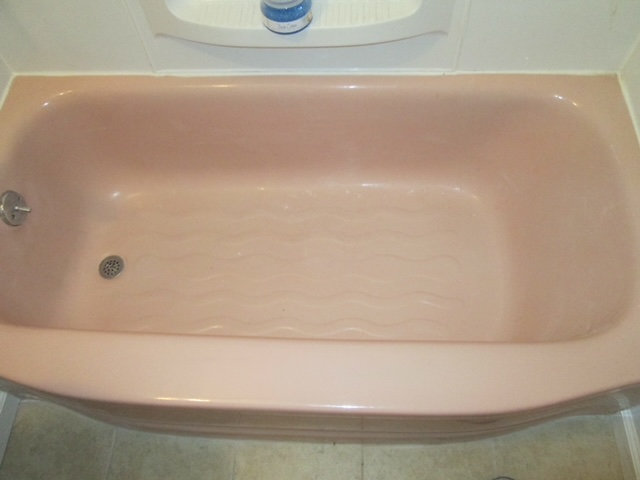
Bathroom refinishing in Ramapo, NY rejuvenates worn tubs, sinks, tile surrounds, and clawfoot fixtures without demolition, delivering a fresh appearance. It saves money, reduces downtime, and preserves original fixtures. Our guidance addresses hard-water staining, tile and glaze issues, and compatibility, while offering free estimates, a written warranty, and maintenance tips.
Can I get bathroom refinishing in Ramapo, NY?
Reviving a worn tub, sink, tile surround, or vintage clawfoot in Ramapo, NY is often faster and far less expensive than a full replacement.
Bathroom refinishing (also called reglazing or resurfacing) restores the visible surface, repairs chips and cracks, and applies new coatings so fixtures look and perform fresh. For Ramapo homes—many of which have older cast iron or porcelain fixtures and face hard-water staining—professional refinishing is an efficient way to update the bathroom without demolition or long downtime.
Which fixtures do you refinish?
• Bathtubs: porcelain, cast iron, acrylic, fiberglass, and clawfoot tubs
• Tile surrounds and wall tiles: glazed tile, ceramic, and tub surround panels
• Sinks: porcelain, ceramic, and cast-iron sinks
• Fiberglass surrounds: recoat or full refinishing depending on damage
• Drain and overflow areas: chips and rust
What are common bathroom refinishing issues in Ramapo, NY?
• Hard water stains and mineral buildup from Ramapo’s local water that dulls surfaces
• Hairline cracks, chips, and flaked glaze on older cast-iron or porcelain tubs
• Rust spots around drains and overflow openings
• Yellowing or worn finishes caused by age and frequent use
• Dull or stained tile surrounds where grout is discolored but tile remains sound
What do you look for during a diagnostic inspection?
A detailed inspection determines whether refinishing is appropriate or replacement is necessary. Key checks:
• Structural integrity: Is the substrate solid (no moving or sagging)?
• Extent of damage: Are chips and cracks cosmetic or deep into the substrate?
• Hidden moisture or mold: Signs of leaks behind tiles or under surrounds mean plumbing repair first
• Adhesion suitability: Some modern coatings or textured surfaces are not ideal for bonding
If structural issues, active leaks, or extensive tile degradation are present, replacement or targeted repairs may be recommended. Otherwise, refinishing typically delivers excellent cosmetic and functional results.
What is the step-by-step restoration process?
1. Preparation and masking
• Remove loose caulk, clean soap scum and hard-water deposits, and isolate the work area.
• Cover floors, fixtures, and hardware to protect surfaces and finishes.
1. Surface profiling
• Light abrasion or chemical etching improves adhesion. For cast iron or porcelain, this step is critical for a bond.
1. Repairs
• Fill chips, deep scratches, and small cracks with fillers.
• Treat and neutralize minor rust before proceeding.
1. Priming and bonding
• Apply a primer/bonding agent designed for the fixture material to ensure the topcoats adhere correctly and resist peeling.
1. Coating application
• Apply multiple layers of high-performance coatings—acrylic, urethane, or epoxy blends depending on the surface—for color and gloss.
• Sprayed application often produces the most uniform finish for tubs and surrounds.
1. Curing and inspection
• Allow proper cure time between coats and full cure before use. Final inspection verifies smoothness, color uniformity, and seal integrity.
Typical project timelines vary: a light recoat can be completed in a single day and then needs 24 to 48 hours to cure before use, while a full restoration including repairs and curing can take 24–72 hours before safe use.
What is the difference between recoat and full refinishing?
• Recoat: Best for fixtures with intact surfaces that are simply dull or slightly worn. Faster and less invasive.
• Full refinishing: Includes repairs for chips, cracks, and rust plus full prep and multi-layer coatings. Recommended when there is visible damage or adhesion problems.
What are the benefits and cost savings compared to replacement?
• Lower cost: Refinishing commonly costs a fraction of full fixture replacement and can save significantly depending on the scope.
• Minimal disruption: No demolition, no subcontracted tile or plumbing work (unless leaks are found), and much shorter timelines.
• Environmental advantage: Keeps usable fixtures out of the landfill.
• Aesthetic update: Choose from standard whites to custom color-matching to modernize a bathroom without rehabbing tile or plumbing.
• Value retention: Restored fixtures improve bathroom appearance and can increase perceived home value without major remodeling expense.
What do typical restorations look like?
• An older cast-iron tub: chips and rust around the drain are repaired, then the tub is primed and reglazed to a high-gloss white, restoring a uniform finish and covering staining.
• Tile surround refresh: dingy glazed tile around a tub is cleaned, etched, and reglazed for a smooth appearance.
• Clawfoot restoration: on a vintage clawfoot with flaking enamel, damaged areas are filled and feathered, then refinished to preserve character while achieving a modern look.
• Sink rejuvenation: resurfacing a stained porcelain sink restores smoothness and covers stubborn hard-water marks.
When is replacement the better option?
Refinishing is not always the right choice. Consider replacement when:
• The fixture has extensive structural damage or major cracks through the substrate.
• There is ongoing leakage, mold, or hidden water damage that requires wall or floor replacement.
• Surrounding tile and plumbing are also deteriorated and a full renovation is desired.
• The fixture material is incompatible with bonding (some textured or very porous materials).
What is the warranty?
Every reglaze comes with a written warranty. Ask for the warranty in writing with your estimate.
How well a refinish holds up depends on final coating type, household use patterns, and maintenance.
What maintenance guidance is needed for the results?
• Use only non-abrasive, pH-neutral cleaners; avoid scouring pads, abrasive powders, and harsh acids.
• Wipe up standing water and heavy soap buildup to prevent staining and mineral deposits.
• Re-caulk joints if sealant shows cracking or separation to prevent water infiltration.
• Avoid dropping heavy or sharp objects directly onto the surface to minimize chips.
• For high-use tubs, consider periodic professional inspection and a light recoat when sheen begins to dull.
How are estimates typically provided?
Every job starts with a free estimate. Estimates for bathroom refinishing in Ramapo are usually generated after a brief inspection—either an in-home assessment for accuracy or a virtual estimate based on clear photos and measurements.
A thorough estimate outlines which fixtures will be refinished, identified repairs, the recommended process (recoat vs full refinish), expected timeline for prep and cure, and details about materials and warranty. Preparing clear photos and measurements of the fixture and surrounding tile before an estimate visit helps speed the process.
Choosing refinishing for your Ramapo bathroom preserves original fixtures, reduces waste, and delivers a refreshed appearance with shorter lead times than remodeling. When fixtures are structurally sound, refinishing is a proven, cost-efficient solution to restore function and curb appeal while addressing region-specific issues like hard-water staining and age-related wear.
Every service starts with a free estimate
Your tub has one more life in it. Let's bring it out.
Call or text Hudson Tubs for a free, flat-rate estimate — most tubs are reglazed in a single day and back in service within 24–48 hours.
Flat-rate pricing · Written warranty · A fraction of replacement cost