
Westchester County, NY
Bathroom Refinishing in Westchester County, NY
Tub and tile refinishing in Westchester County homes restores tubs and tile with minimal disruption. Learn about process, safety, and maintenance.
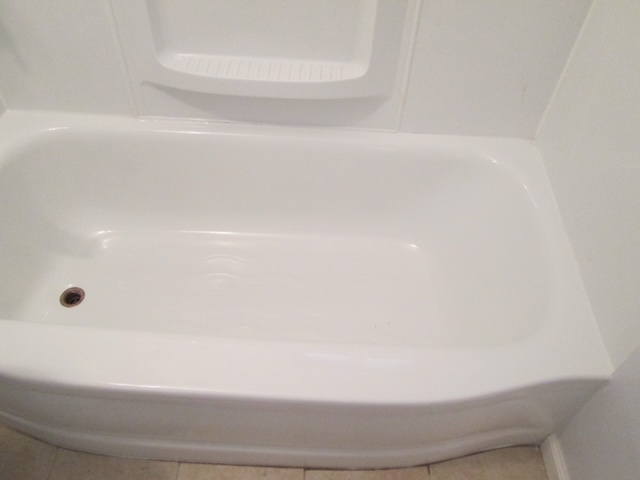
This page outlines bathroom refinishing services for Westchester County, NY, explaining when to restore versus replace stained tubs, sinks, and tile. It details a step-by-step resurfacing process, from assessment and preparation to coating and curing, plus materials, safety standards, and ventilation. Turnaround times vary by scope, with options for on-site or virtual estimates. Benefits include preserving original fixtures, reducing disruption, and keeping existing surfaces in use, along with maintenance tips to protect the finish over time.
How does bathroom refinishing work in Westchester County, NY?
Refreshing a worn tub, tile surround, or sink can transform a bathroom without the cost and disruption of a full remodel.
Bathroom refinishing in Westchester County, NY restores surfaces to a fresh finish while addressing common regional issues like hard water staining, older cast iron fixtures, and multi-family building constraints. This page explains what to expect from a professional refinishing service, how to decide between restoration and replacement, the step-by-step resurfacing process, safety and materials used, typical turnaround, how on-site and virtual estimates work, and the long-term benefits for Westchester homes.
Why should I consider refinishing in Westchester County?
Many homes in Westchester County feature older fixtures - cast iron tubs, porcelain sinks, and ceramic tile - that show chips, stains, or worn glaze.
Local water quality with mineral content can cause stubborn staining, and seasonal humidity can accelerate mildew in grout lines. Refinishing addresses aesthetic damage and surface deterioration while preserving original fixtures that are structurally sound. For historic or high-value tubs, refinishing maintains character and saves the time and disruption associated with demolition and plumbing rework in tightly spaced Westchester bathrooms.
What are common bathroom refinishing issues in Westchester County?
• Stained or discolored tubs and sinks from hard water mineral buildup
• Hairline cracks, chips, and worn enamel on porcelain and cast iron
• Dull, scratched tile surrounds and vanity tops
• Rust or corrosion spots around drain and overflow areas
• Outdated colors or finishes that reduce home appeal
• Grout deterioration and mildew between tiles
How do I make the right choice between restoration and replacement?
Restoration is the right choice when the fixture is structurally sound and damage is surface-level. Refinishing preserves the original tub or tile, avoids plumbing disturbance, and can be completed with less mess.
Replace when:
• The tub or sink has major structural damage, deep gouges, or extensive rust-through
• Plumbing configuration or fixture size must change for accessibility or layout upgrades
• Underlying leaks or subfloor damage require demolition to repair
In Westchester homes, many cast iron and clawfoot tubs are excellent candidates for refinishing because they are heavy, costly to remove, and often hold historical or design value.
What is the step-by-step resurfacing process?
A clear, methodical process ensures a professional finish. Typical refinishing steps include:
1. Assessment
• Inspect fixture type and damage, test for leaks, and determine substrate (porcelain, acrylic, cast iron, ceramic tile).
• Document areas needing repair and confirm whether reglaze or recoat is appropriate.
1. Preparation and cleaning
• Deep-clean to remove soap scum, hard water deposits, mold, and oils using strong cleaners.
• Mask and protect surrounding surfaces and plumbing hardware.
1. Repair
• Fill chips, cracks, and pitted areas with compatible repair compounds formulated for the substrate.
• Address minor rust and stabilize any loose tile or grout before finishing.
1. Surface profiling
• Mechanically sand or chemically etch the surface to create a strong bond for primers and topcoats.
1. Priming
• Apply a specialty bonding primer matched to the coating system and substrate.
1. Coating
• Spray the finish in multiple thin layers for even coverage.
1. Curing and finishing
• Allow coatings to cure under controlled conditions. Reinstall hardware, re-caulk perimeter seams, and perform a final inspection for uniformity and adhesion.
What should I know about materials, safety standards, and ventilation?
Professional refinishing uses coating systems chosen for adhesion and finish quality. Common components:
• Bonding primers designed for porcelain, enamel, acrylic, and cast iron
• Epoxy or polyester base coats for adhesion and corrosion resistance
• Urethane or acrylic-urethane topcoats for gloss and stain resistance
Safety and environmental considerations:
• Proper ventilation during work and curing phases to protect occupants
• Technicians use personal protective equipment (PPE) and follow industry safety practices for handling chemicals and dust
• Jobsite containment to prevent overspray and protect fixtures and flooring
What are the turnaround times and what should I expect?
Turnaround depends on the scope:
• Simple recoat or re-gloss for minor wear: often finished in as little as one day, with a 24 to 48 hour cure before use.
• Full restoration with repairs and multiple coats: commonly completed in 1 to 3 days of work, with progressive curing.
• Full cure for maximum hardness and stain resistance can take several days; the tub can be used once the initial 24 to 48 hour cure is complete.
Work in multi-unit buildings may require additional coordination for access and building rules, which can affect scheduling and arrival windows.
How do on-site and virtual estimates differ?
• On-site estimate: Technician inspects the actual fixtures, checks plumbing and surrounding tile, measures, documents damage, and can often provide the most accurate assessment of repairs required and expected finish. Ideal for older Westchester homes or complex damage.
• Virtual estimate: Useful for preliminary budgeting or when an on-site visit is not immediately feasible. Homeowners can submit photos and measurements for a professional review. Virtual assessments are efficient for straightforward projects, but a final on-site check is recommended before work begins.
Both estimate types typically include scope of work, materials to be used, timeline expectations, and any preparatory actions required by the homeowner or building management.
What are the benefits and maintenance requirements after refinishing?
Benefits of professional refinishing for Westchester homes:
• A fresh appearance without demolition and extensive plumbing work
• Less disruption and dust compared to replacement
• Preservation of historic or heavy fixtures common in older Westchester properties
• Keeps the existing fixture out of the landfill
Maintenance tips:
• Use non-abrasive cleaners and microfiber cloths to preserve the finish
• Avoid harsh chemical strippers or abrasive pads that can dull or damage the coating
• Re-caulk perimeter seams as needed to prevent water intrusion behind the tub or tile
• Schedule periodic inspections if living in high-mineral water areas to manage staining
What final considerations should I keep in mind?
Bathroom refinishing in Westchester County, NY can restore curb appeal and functionality while preserving valuable original fixtures.
For many homeowners facing stained tubs, chipped enamel, or outdated tile, refinishing offers a cost-effective alternative to replacement that aligns with the regional realities of older homes and mineral-rich water. The best outcome begins with a clear assessment — either on-site or virtual — and a professional process that emphasizes proper repairs, proven materials, and safety during application and cure.
Every service starts with a free estimate
Your tub has one more life in it. Let's bring it out.
Call or text Hudson Tubs for a free, flat-rate estimate — most tubs are reglazed in a single day and back in service within 24–48 hours.
Flat-rate pricing · Written warranty · A fraction of replacement cost