Carmel, NY
Bathtub Reglazing & Refinishing in Carmel, NY
Bathtub reglazing and refinishing in Carmel, NY restores worn tubs with finishes.
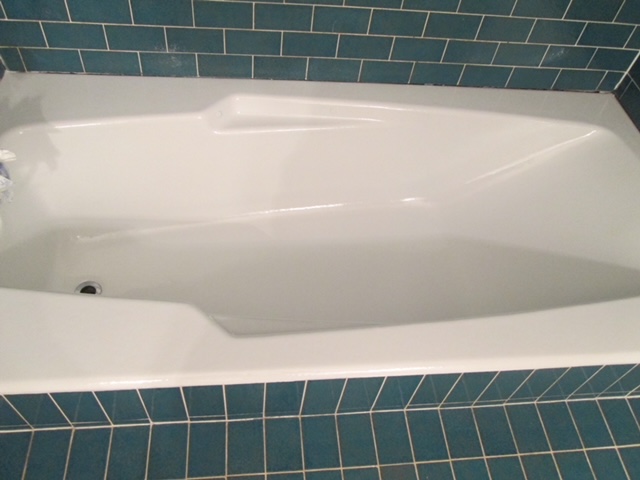
Bathtub Reglazing & Refinishing in Carmel, NY offers an alternative to replacement by restoring worn porcelain, enamel, and acrylic surfaces. This service targets common issues such as hairline cracks, rust, mineral stains, and faded colors, delivering a high-gloss, easily cleaned finish. The process emphasizes surface prep, bonding primers, precise topcoats, and a controlled cure in a well-ventilated room. Professional inspection ensures compatibility with existing fixtures.
How do I get bathtub reglazing and refinishing in Carmel, NY?
Give your Carmel, NY bathroom a fresh surface without the cost and disruption of full replacement.
Bathtub reglazing and refinishing restore worn, stained, or damaged tubs—especially common in older Putnam County homes with cast iron or clawfoot tubs—by repairing underlying defects and applying a new finish. For homeowners facing hard water staining, chipped enamel, or outdated colors, professional refinishing is a practical solution that preserves your existing tub and improves bathroom hygiene and curb appeal.
How do I know when refinishing is the right choice?
Refinishing makes sense when the tub’s base material is structurally sound but the visible surface shows wear. Typical scenarios in Carmel include:
• Hairline cracks, chips, or flaking glaze from decades of use
• Rust spots or pitting in cast iron tubs
• Stubborn mineral and hard water staining common with local well water
• Faded, yellowed, or dated colors that clash with modern fixtures
• Minor surface wear and dull finishes that cleaning will not fix
If the tub is severely warped, has large structural damage, or persistent leaks through the substrate, replacement may be recommended instead of reglazing. A professional inspection will determine the best approach.
What common bathtub problems are addressed in Carmel homes?
• Chipped porcelain or enamel on cast iron and steel tubs
• Cracked or crazed acrylic and fiberglass surfaces
• Rust penetration and pinholes in older metal tubs
• Blistering or peeling finishes from prior DIY coatings
• Discoloration and hard water etching from local mineral content
• Worn slip-resistant finishes and rough areas around drains and edges
What does a professional evaluate on a diagnostic checklist?
• Material identification: cast iron, steel, acrylic, fiberglass, or cultured marble
• Extent of surface damage: chips, cracks, rust, blisters, or delamination
• Drain and overflow condition and sealing integrity
• Surrounding tile and caulk condition for proper masking and adhesion
• Ventilation and work area suitability for safe curing
• Previous refinishing history and compatibility with modern coatings
What is the multi-step reglazing and refinishing process?
Professional reglazing follows a precise workflow to ensure good adhesion and appearance. Typical steps include:
1. Assessment and masking: Inspect the tub, note defects, remove drain trim if needed, and mask the bathroom to protect surfaces.
2. Deep cleaning and decontamination: Remove soap scum, oils, and mineral deposits using strong cleaners to promote adhesion.
3. Surface preparation: Mechanically abrade or strip existing finish where required. For cast iron and steel, rust removal and sanding to bare metal in damaged areas may be necessary.
4. Structural repairs: Fill chips, pits, and small cracks with epoxy or bonding fillers formulated for the substrate. Reinforce or patch larger cracks when possible.
5. Priming: Apply a bonding primer suited to the tub material to create a uniform base for the topcoat.
6. Topcoat application: Spray multiple thin coats of coating—options include epoxy, polyurethane, or hybrid acrylic-topcoats—applied for even coverage and glossy finish.
7. Curing and inspection: Allow controlled cure time. After initial cure, inspect for runs, thin spots, or texture issues and do any touch-ups.
8. Reassembly and final cleaning: Reinstall hardware and carefully remove masking. Final polishing and a quality check complete the job.
Can you explain the materials and coatings used?
• Epoxy-based systems: Chemically resistant; excellent for heavy-use tubs. They can be slightly less UV-stable than polyurethanes but perform well indoors.
• Polyurethane and hybrid topcoats: Provide a harder, more scratch-resistant finish with superior gloss retention. Often used as a top layer over a bonding primer or epoxy sealer.
• Acrylic polymers: Used for certain acrylic and fiberglass substrates where flexibility and compatibility are important.
• Industry-standard primers and fillers: Formulated to adhere to metal and composite substrates and to resist moisture and blistering.
A professional chooses products based on substrate, prior coatings, and the long-term demands of the tub. Proper application technique and controlled ventilation during cure are as important as product selection.
What are the expected outcomes?
• Visual: A uniform, high-gloss finish that hides stains, chips, and discoloration and modernizes older fixtures.
• Functional: Restored smoothness for easier cleaning and reduced bacterial harborage when properly cured.
• Cure time: Typical light use can resume after 24 to 48 hours, with full chemical resistance achieved in 7 days. Exact times depend on coating and ambient conditions.
What warranty and quality assurance is provided?
Professional reglazing services commonly include a warranty that covers coating adhesion failures, blistering, and peeling under normal residential conditions. Warranties vary by installer and product but generally specify:
• Coverage length and what types of defects are included
• Conditions required to keep the warranty valid, such as use of nonabrasive cleaners and avoiding tub anchors or drilling into the finish
• Exclusions for damage from misuse, improper cleaning agents, or preexisting structural problems
Review the written warranty to confirm what is included and any maintenance requirements. Proper ventilation during application and adherence to manufacturer cure instructions are part of the quality process.
Why should I choose professional refinishing over DIY or replacement?
• Cost efficiency: Reglazing preserves the existing tub structure and finishes the surface at a fraction of replacement cost while avoiding demolition and plumbing changes.
• Less downtime: Most jobs are finished in as little as one day, compared to a full tear-out and remodel.
• Better prep: Professionals have the expertise to properly prepare surfaces, reducing the risk of premature failure common with DIY kits.
• Preservation of vintage tubs: Many Carmel homes have desirable cast iron or clawfoot tubs that are worth restoring rather than replacing.
What are some maintenance tips to protect my refinished tub?
• Use nonabrasive, pH-neutral cleaners. Avoid bleach-based or acidic cleaners that can degrade the finish.
• Wipe the tub dry after use to reduce mineral buildup from hard water.
• Avoid dropping heavy objects or using razor blades on the surface.
• Recaulk the tub-to-tile joint as needed to prevent water intrusion behind the surround.
• For hard water areas, consider a water softener or periodic descaling to minimize mineral etching.
Professional bathtub reglazing and refinishing in Carmel, NY, can transform an aging tub into a bright, hygienic centerpiece for your bathroom while maintaining the character of older homes in the Hudson Valley. When performed with proper inspection, repair, and quality materials, refinishing delivers an attractive, glossy finish.
Every service starts with a free estimate
Your tub has one more life in it. Let's bring it out.
Call or text Hudson Tubs for a free, flat-rate estimate — most tubs are reglazed in a single day and back in service within 24–48 hours.
Flat-rate pricing · Written warranty · A fraction of replacement cost