Orangetown, NY
Bathtub Reglazing & Refinishing in Orangetown, NY
Bathtub reglazing and refinishing in Orangetown, NY delivers refreshed tubs with minimal disruption.
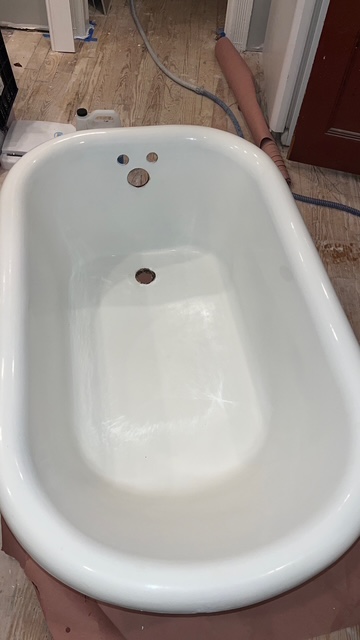
Orangetown homeowners can restore a worn bathtub without full replacement through professional reglazing or refinishing. This service addresses chipped glaze, hard-water staining, rust, and surface wear on porcelain, cast iron, or acrylic tubs while preserving existing layouts. The process spans inspection, cleaning, minor repairs, surface preparation, priming, and topcoat application using epoxy or acrylic urethane systems.
How does bathtub reglazing and refinishing work in Orangetown, NY?
Reviving a worn, stained, or chipped bathtub can transform a bathroom without the time, mess, and expense of full replacement.
In Orangetown homes—many of which have older porcelain or cast iron tubs exposed to hard water and seasonal humidity—professional bathtub reglazing and refinishing restores function and appearance. This page explains when to choose full refinishing, what the repair and resurfacing process involves, the materials and techniques professionals use, expected results, warranty considerations, and care instructions to protect your investment.
What are common bathtub problems in Orangetown homes?
• Chipped or flaking glaze from heavy use or dropped objects
• Stains and discoloration caused by hard water, iron, or mineral buildup
• Rust spots and pitted metal on cast iron tubs
• Cracks, hairline fractures, or cold-crazing in older porcelain or enamel
• Dull, worn finish or surface scratches that trap soap scum and mildew
• Outdated color or style that no longer fits your bathroom aesthetic
Local factors: Orangetown’s seasonal temperature swings and mineral-rich water supply often accelerate wear on enamel and promote mineral staining. Many homes in the area still have original cast iron or porcelain fixtures that benefit most from professional refinishing rather than full replacement.
When should I reglaze versus opt for full refinishing or replacement?
• Reglazing / Recoat (surface renewal): Best for tubs with intact structure but worn, stained, or faded surfaces. A recoat or reglaze adds a new factory-like finish cost-effectively.
• Full refinishing (strip, repair, and resurface): Recommended when the glaze is extensively damaged—multiple chips, deep scratches, rust penetration, or previous poor repairs. Full refinishing restores adhesion and corrects surface defects before applying a new coating.
• Replacement: Necessary when the tub has structural failure (large cracks through the body, severe rust-through, or plumbing/fitment changes). Also consider replacement if you need a different tub size or configuration.
What do professionals do during the diagnostic and repair process?
1. Initial inspection: Evaluate substrate (porcelain, cast iron, acrylic), extent of damage, and surrounding tile or surround condition to recommend reglaze, recoat, or full refinish.
2. Surface preparation: Deep cleaning to remove soap scum, oils, mildew, and mineral deposits; chemical stripping if old coatings or contaminants are present.
3. Repair work: Fill chips, hairline cracks, and pits with epoxy fillers or polyester compounds; address rust by grinding to sound metal and applying rust inhibitors; reinforce weak areas as needed.
4. Surface profile: Sanding or acid etch to create a consistent profile that helps new finishes bond properly.
5. Priming/bond coat: Apply a bonding primer suited to the substrate (especially critical for cast iron and porcelain).
6. Topcoat application: Spray or roller application of two-component coatings (epoxy or urethane/acrylic systems) in multiple thin layers for even coverage.
7. Curing and finishing: Allow proper cure times under controlled ventilation; light buffing and inspection to ensure a uniform gloss and smooth feel.
Can you explain the materials and techniques used?
• Epoxy systems: Chemical resistant; excellent adhesion to properly prepared surfaces. Commonly used where strong adhesion and stain resistance are priorities.
• Acrylic/urethane two-part coatings: Provide a high-gloss finish with good flexibility and UV stability. Many pros use catalyzed acrylic urethane for a balance of hardness and appearance.
• Single-component spray paints: Typically less wear-resistant and not recommended for regular use; can be acceptable only for temporary cosmetic fixes.
• Application methods: Professional resurfacing uses controlled spray booths or spray equipment and multiple cross-lapped passes for even coverage. Proper ventilation and temperature control during application and curing are essential for adhesion and finish quality.
What are the typical outcomes and realistic expectations?
• Appearance: A properly refinished tub should look smooth, glossy, and fresh for most viewing distances. Color options include original white, popular warm whites, and select custom shades.
• Function: Repairs restore watertight integrity and eliminate rough edges, rust, and most surface imperfections.
• Limitations: Refurbished surfaces are thinner than original porcelain enamel and can scratch under heavy use. Deep structural damage or incorrectly prepared surfaces can lead to premature failure.
Is there a warranty and what does it usually cover?
• Typical warranty coverage (industry standard) focuses on adhesion failures, peeling, blistering, or delamination resulting from workmanship or material defects for a specified period.
• Warranties commonly exclude damage from misuse, improper maintenance, abrasive cleaners, heavy impact, or alterations after the work is completed.
• Proper documentation of the work performed, materials used, and care instructions is important to maintain warranty validity.
What care and maintenance will protect my reglaze?
• Curing time: Allow the recommended cure period before regular use—initial light use may be possible within 24 to 48 hours, but full chemical cure can take up to 7 days. Follow the professional’s curing timeline exactly.
• Cleaning: Use non-abrasive, pH-neutral cleaners and a soft cloth or sponge. Avoid scouring pads, harsh alkaline or acidic cleaners, and powdered abrasives that can dull or scratch the finish.
• Avoid heavy impact: Do not drop tools, cast-iron pans, or heavy objects into the tub; chips and dents can compromise the finish.
• Bath mats and adhesives: Avoid rubber-backed mats with strong suction cups that can pull at the coating. Use mesh or non-adhesive mats instead.
• Water temperature extremes: Avoid sudden extreme temperature changes for the first week; over time, the finish tolerates normal hot baths but repeated extreme changes may stress older substrates.
• Address issues quickly: Minor chips or scratches repaired promptly prevent moisture from reaching the substrate, which can lead to rust or delamination.
Why is reglazing and refinishing a smart option in Orangetown?
For many Orangetown homeowners, reglazing or refinishing preserves character fixtures—especially older cast iron or clawfoot tubs—while solving cosmetic and functional problems caused by hard water, seasonal climate effects, and decades of use.
The process delivers a refreshed bathroom aesthetic and improved hygiene with far less disruption than replacement. When done by a trained professional using appropriate materials and preparation steps, reglazing provides a reliable solution that balances cost and appearance.
If your tub shows chips, stains, or a dull finish but the structure is sound, professional reglazing or refinishing is often the best balance of value and results for Orangetown homes. Follow the care guidance above to keep the finish glossy and protect warranty coverage.
Every service starts with a free estimate
Your tub has one more life in it. Let's bring it out.
Call or text Hudson Tubs for a free, flat-rate estimate — most tubs are reglazed in a single day and back in service within 24–48 hours.
Flat-rate pricing · Written warranty · A fraction of replacement cost