Clarkstown, NY
Bathtub Reglazing in Clarkstown, NY
Tub resurfacing in Clarkstown homes restores a chipped, stained or dull tub without the mess of a full replacement.
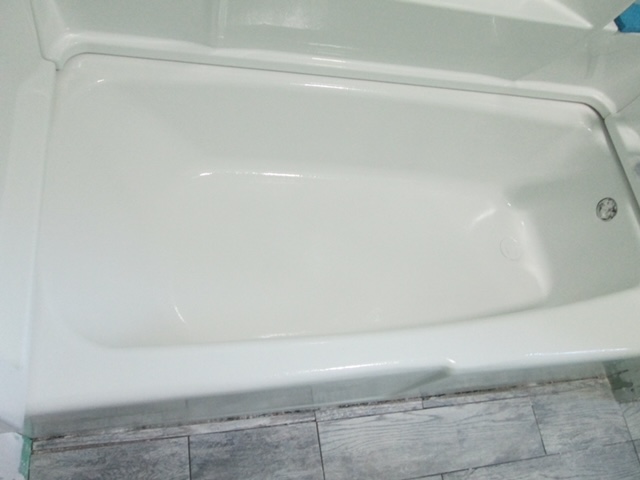
Bathtub reglazing in Clarkstown, NY offers a cost-effective way to restore chipped, stained, or dull tubs without full replacement. The service covers full reglaze, light recoats, and targeted repairs, followed by priming, bonding, and topcoats in multiple finishes. It covers proper prep, maintenance tips, and when reglazing is not appropriate. The process includes on-site estimates, finish options, and practical guidance to protect the finish and minimize disruption.
Is bathtub reglazing available in Clarkstown, NY?
If your bathtub shows chips, stains, or a dull, worn finish, reglazing is a cost-effective way to restore a fresh surface without the disruption of a full replacement.
Bathtub reglazing in Clarkstown, NY is especially valuable for area homeowners who live in older houses with original cast-iron or porcelain tubs, or for anyone dealing with hard water staining common in Rockland County. Reglazing restores appearance and reduces renovation waste — all while keeping bathrooms usable sooner than a tear-out and install.
What are common bathtub problems in Clarkstown, NY homes?
• Stains and mineral deposits from hard water and well systems common in this region
• Chipped enamel or porcelain from dropped items or age
• Rust spots and pitting on cast-iron tubs where the protective glaze failed
• Dull, yellowed, or crazed surfaces from years of cleaning and wear
• Peeling or flaking finishes from previous DIY paint jobs or low-quality recoats
• Hairline cracks or small repairs from settling or impact
Understanding the specific issue is the first step. Small chips and surface wear are ideal candidates for reglazing; structural damage, severe rust-through, or major plumbing rework may still require replacement.
What are the service types and what fits my needs?
• Full reglaze/refinish: Complete stripping and professional recoat to achieve a glossy finish. Best for porcelain, enamel, acrylic, fiberglass, and cast-iron tubs in otherwise sound condition.
• Recoat: A lighter service that adds a new topcoat to revive a slightly worn surface. Appropriate when the substrate is intact and only the finish needs refreshing.
• Chip, crack, and rust repair: Localized repair with bonding compounds, rust neutralizers, or fiberglass patches before reglazing for a uniform result.
• Color change or custom finish: Switch to standard colors like white or almond, or select satin vs high-gloss finishes.
How does the reglazing process work and what should I expect?
1. Inspection and estimate: A professional assessment checks substrate condition, identifies repairs needed, and recommends the correct process and finish. A site estimate normally includes color and finish options, timing, and care guidelines.
2. Surface preparation: Thorough cleaning to remove soap scum, oils, mildew, and mineral deposits. Old coatings or loose material are stripped or sanded. For porcelain/enamel, the surface is mechanically abraded (acid etch or sanding) to promote adhesion. Any chips, cracks, or rust are repaired with high-strength fillers and primers. Proper prep is the most critical step for a sound finish.
3. Priming and bonding: A specialty bonding primer (often epoxy-based) is applied to seal and stabilize the repaired areas and ensure the finish adheres evenly across different substrates such as cast iron, porcelain, or fiberglass.
4. Finish application: High-performance topcoats are applied, usually an acrylic-urethane or epoxy-urethane blend designed for wet environments. Professionals apply multiple thin coats for even coverage. Finish options include high-gloss, satin, and color matches.
5. Curing: After application, the finish requires a full cure period. While the job time on-site may be several hours, the finish needs 24 to 48 hours to cure before the tub is used. Longer curing improves hardness.
Can you explain the primer and finish choices?
• Epoxy or epoxy-urethane primers: Provide superior adhesion and corrosion resistance, often used where rust or heavy repairs exist.
• Acrylic-urethane topcoats: Offer a balance of gloss and color stability; common for residential reglazing.
• Epoxy topcoats: Extremely hard and chemical-resistant, often reserved for high-use or commercial applications.
• Finishes and textures: High-gloss gives a mirror-like look and is easiest to clean. Satin provides a softer appearance with fewer visible imperfections.
What are the benefits of reglazing vs replacement?
• Cost savings: Reglazing typically costs a fraction of replacement (often far less), especially when factoring demolition, disposal, and tile work.
• Less downtime: Most jobs are finished in as little as one day, with minimal demolition.
• Less mess and disruption: No major demolition, dust, or the need to re-tile surrounding walls in many cases.
• Environmental benefit: Reglazing reduces landfill waste by keeping the original tub in service.
• Preserve original fixtures: Many Clarkstown homes have vintage cast-iron or clawfoot tubs that are worth preserving for character and resale value.
What affects how a reglaze holds up?
Results depend on surface prep, materials, substrate condition, how well repairs were made, finish type, and homeowner maintenance.
A light recoat refreshes the topcoat only, while a full professional reglaze includes repairs, epoxy primers and urethane topcoats.
What are some maintenance tips to protect the finish?
• Wait the full cure time recommended by the applicator before using the tub. Curing in Clarkstown’s seasonal temperatures can extend recommended waiting if humid or cool.
• Use mild, non-abrasive cleaners: pH-neutral bathroom cleaners, diluted dish soap, or vinegar solutions for mineral spots. Avoid strong acids, bleach gels, or abrasive powders.
• Soft cleaning tools only: Non-scratch sponges or microfiber towels. Never use steel wool or heavy-duty scouring pads.
• Avoid harsh chemical drain cleaners that can splash onto the finished surface. Use enzyme-based drain treatments when possible.
• Prevent standing water in seams and edges; keep caulking in good condition to avoid water intrusion under the glaze.
• Place a breathable rubber or mesh bath mat rather than a suction-cup vinyl mat that can trap moisture and promote staining.
When is reglazing not appropriate?
• Structural damage: Severe rust-through, holes, or a tub that is warped or has compromised structural supports will often require replacement.
• Extensive tile or surround damage: If the surrounding tile needs replacement or significant plumbing relocation is required, a full remodel may be more practical.
• Poor previous repairs or multiple layers of coating: In some cases where previous DIY or incompatible coatings are present, full removal and replacement may be necessary.
What should I expect during a local estimate appointment?
During an on-site estimate in Clarkstown, a technician typically inspects the tub surface, identifies repairs, evaluates any rust or structural concerns, and discusses finish options and timing.
They will note local factors like hard water staining or ventilation that may influence prep and product choice, estimate the number of coatings and curing time, and explain maintenance recommendations.
Reglazing is a proven, budget-smart solution to revive bathtubs in Clarkstown, NY — especially in older homes with cast-iron, clawfoot, or original porcelain tubs. When properly prepared, primed, and finished with quality materials, reglazing restores appearance and improves performance while avoiding the cost and mess of full replacement.
Every service starts with a free estimate
Your tub has one more life in it. Let's bring it out.
Call or text Hudson Tubs for a free, flat-rate estimate — most tubs are reglazed in a single day and back in service within 24–48 hours.
Flat-rate pricing · Written warranty · A fraction of replacement cost