Middletown, NY
Bathtub Reglazing in Middletown, NY
Bathtub reglazing service in Middletown, NY restores worn, stained and chipped tubs with a fresh finish.
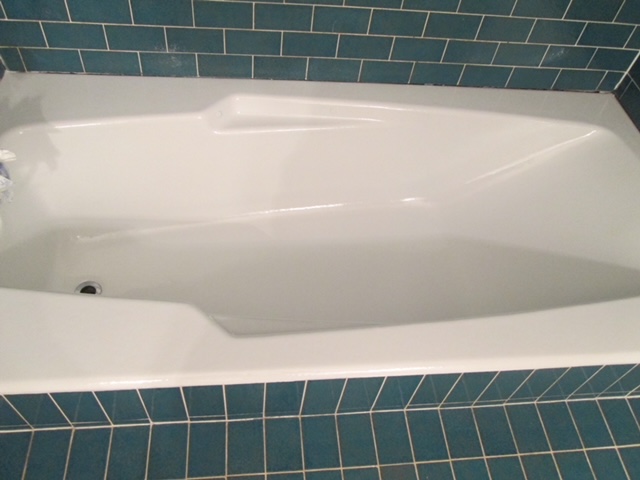
Bathtub reglazing in Middletown, NY presents a cost-effective alternative to full replacement, reviving worn enamel and restoring bathroom aesthetics. The guide outlines eligible tub types, common problems, and a step-by-step on-site process from inspection and surface prep to priming, finish applications, and curing. Maintenance tips emphasize gentle cleaners, careful drying, and prompt repairs to keep the finish looking its best.
How can I get bathtub reglazing in Middletown, NY?
Reviving a tired, stained, or damaged bathtub is often far more affordable and less disruptive than a full replacement. For homeowners in Middletown, NY, professional bathtub reglazing restores function and curb appeal while minimizing disruption.
This page explains the reglazing procedure, why it makes sense for local homes, what to expect during the project, and how to care for the finished surface.
Why is reglazing a smart choice for Middletown homes?
Middletown and the greater Orange County area have many homes with older porcelain, cast iron, and clawfoot tubs. Cold winters, seasonal water quality, and heavy household use can lead to worn glazing, rust spots, and staining.
Reglazing (also called refinishing or resurfacing) offers key advantages over replacement:
• Cost savings: reglazing is typically a fraction of the cost of replacing a tub and avoids demolition and tile work.
• Timing: most jobs are finished in as little as one day with minimal mess, and the finish needs 24 to 48 hours to cure before the tub is used.
• Less disruption: no tear-out, no plumbing reconfigurations, fewer trades needed.
• Customizable finish: choose from high-gloss white to off-white or custom colors to refresh the bathroom’s look.
What common bathtub problems do you address in Middletown?
Homeowners often seek reglazing for these typical issues:
• Surface discoloration and hard water staining from local water mineral content
• Hairline cracks and chips, especially on cast iron or vintage tubs
• Rust developing through worn enamel or old drain fittings
• Peeling, crazing (fine crackle pattern), or dull finishes
• Outdated color or finish that no longer matches a renovated bathroom
What types of tubs do you reglaze?
• Porcelain and porcelain-on-steel
• Cast iron tubs and clawfoot tubs common in older Middletown homes
• Fiberglass and acrylic bathtubs
• Enamel-coated surfaces that retain structural integrity
What is the step-by-step reglazing process?
Professional reglazing follows specific stages to ensure adhesion and a smooth final finish. Typical on-site workflow:
1. Inspection and diagnostics
• Assess material type, extent of damage, and whether repairs (e.g., structural cracks or deep rust) are needed before refinishing.
1. Surface preparation (critical for adhesion)
• Deep cleaning to remove soap scum, oils, mildew, and hard water deposits.
• Mechanical abrasion or sanding to remove loose glaze and create a profile the primer can bond to.
• Chemical de-greasing and neutralizing to leave the surface residue-free.
• Masking of surrounding tiles, plumbing fixtures, and floors to keep the work area clean.
1. Repairs and priming
• Chip filling, crack repair with appropriate epoxy or filler, and rust treatment where necessary.
• Application of a bonding primer specifically formulated for tub surfaces to promote adhesion of the finish coats.
1. Finish application
• Spraying or rolling multiple thin coats of coatings (epoxy or polyurethane blends) to build a glossy finish.
• Controlled flash times between coats to prevent runs and ensure even curing.
1. Curing and inspection
• Allow adequate curing time in a ventilated space before returning the tub to use; a final inspection confirms adhesion and even gloss.
What primer and finish choices do I have?
• Bonding primers: designed to adhere to slick porcelain, enamel, and metal substrates; they form the foundation for the topcoat.
• Epoxy-based finishes: excellent adhesion and resistance to chipping and staining; commonly used for heavy-use tubs.
• Urethane or polyurethane topcoats: add chemical and UV resistance with a high gloss finish.
• Color options: classic white is most common, but off-whites and custom shades are available. Matte finishes exist but are less common due to lower stain resistance.
What affects performance?
Performance depends on substrate condition prior to refinishing, quality of materials, proper surface prep, and homeowner maintenance. In Middletown’s environment, pay attention to water quality and avoid abrasive cleaners that wear down the finish.
How do I handle maintenance and care after reglazing?
Proper maintenance protects the appearance of your reglazed tub:
• First 24 to 48 hours: avoid any water contact. Full cure usually occurs within 5 to 7 days; avoid heavy use and placing weight on repaired areas during that time.
• Cleaning routine: use mild, non-abrasive cleaners and a soft cloth or sponge. Avoid scouring pads, harsh acids, or cleaners containing trichloroethane or methylene chloride.
• Preventing damage: do not place rubber mats with glued backing directly on the finish for long periods; they can cause discoloration. Use mats that allow drainage or remove mats after bathing.
• Fixtures and drains: ensure metal fixtures are secure and free from corrosion. Replace old, corroded drain assemblies to prevent rust bleed-through.
• Address issues early: small chips or scratches should be repaired promptly to stop moisture infiltration under the coating.
What local factors affect reglazing in Middletown, NY?
• Climate and curing: cold, humid winter conditions in the Hudson Valley can slow cure times. Adequate indoor heating and ventilation during and after the job are important to reach proper cure schedules.
• Water quality: mineral-rich water in the region can accelerate staining; consider a water-softening solution to protect a newly reglazed surface.
• Older homes: many Middletown properties have cast iron or clawfoot tubs with thicker enamel layers; these substrates accept reglazing well but may require more extensive prep or rust treatment.
How do I choose between recoat, reglaze, and replacement?
• Recoat: suitable for minor wear where the existing coating is intact but dull; cost-effective.
• Reglaze/refinish: best for tubs with surface defects like chips, moderate staining, or color change needs; involves repairs, primer, and finish coats.
• Replacement: necessary for structural failure, significant cracking through the substrate, or when a different tub size/layout is required.
What is the scheduling and project timeline?
Typical projects are planned to minimize disruption to household routines:
• Most jobs are finished in as little as one day on-site, with 24 to 48 hours of curing before the tub is used.
• Prep and repair needs can extend the timeline; more extensive rust or structural repairs lengthen the schedule.
• Expect an initial inspection to determine the exact scope; after that, a reglaze job usually requires several hours of active work plus curing time.
Bathtub reglazing in Middletown, NY is a practical, efficient path to a fresh tub without the time, expense, and mess of full replacement. Proper surface prep, quality primer and finish systems, and sensible post-service care deliver a result that fits the needs of local homes and climates.
Every service starts with a free estimate
Your tub has one more life in it. Let's bring it out.
Call or text Hudson Tubs for a free, flat-rate estimate — most tubs are reglazed in a single day and back in service within 24–48 hours.
Flat-rate pricing · Written warranty · A fraction of replacement cost