Middletown, NY
Bathtub Reglazing Paint in Middletown, NY
Discover bathtub reglazing paints for Middletown, NY. Learn about color, finish, and application, schedule your project today.
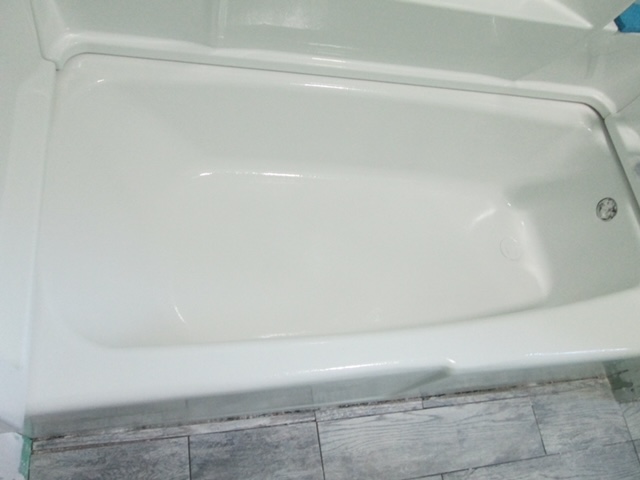
Bathtub reglazing paint services in Middletown, NY deliver fresh finishes without replacement. It covers color and finish choices, from high-gloss to satin or matte, and explains the application sequence, curing times, and environmental considerations. It also explains how substrate material influences product selection, and how maintenance keeps the finish looking its best.
What is bathtub reglazing paint in Middletown, NY?
Professional bathtub reglazing paint transforms an old, stained, or dated tub into a fresh fixture without the cost and disruption of replacement.
For Middletown, NY homes—where older houses, seasonal humidity, and hard water are common—choosing the right reglazing paint and finish is essential for performance and appearance. This page explains product types, color and finish options, the application and curing process, and how to pick the right finish for your tub material and bathroom style.
Why does the right reglazing paint matter in Middletown, NY?
Middletown experiences cold winters and humid summers. Temperature and humidity affect curing times and adhesion, and many local homes have cast iron or porcelain tubs that need heavy-duty coatings.
Using a compatibility-matched reglazing paint reduces the chance of peeling, staining, or premature wear, and helps resist common local problems like hard water spotting and surface discoloration.
What are the reglazing paint types and how do they differ?
• Two-part urethane (2K urethane) - A chemical-cure system with excellent adhesion, hardness, and resistance to chemicals and abrasion. Best for busy bathrooms and high-use tubs like cast iron and porcelain.
• Epoxy-based coatings - Strong adhesion; often used as a primer or base coat under a topcoat. Good for repaired or pitted surfaces.
• One-part acrylic enamels - Lower cost and quicker to apply, but softer and more prone to wear. More common in light-duty or cosmetic touch-ups.
Proper ventilation remains important.
What are the color choices and trends for Middletown bathrooms?
• Classic whites and off-whites (glossy white, biscuit, bone) - Best for resale, brightening small bathrooms, and matching existing tile and fixtures.
• Neutral greys and soft taupes - Popular with contemporary remodels; pair well with matte black or brushed nickel hardware.
• Bold and period colors (vintage blues, greens, or black) - Ideal for clawfoot tubs and historic homes in the Hudson Valley where statement tubs complement restored interiors.
• Custom color matching - Available for clients wanting to match cabinetry, tile, or a specific design palette.
Consider resale and long-term appeal: neutral, light tones are safest, while bold colors can make a high-impact design choice for the right property.
What are the gloss, satin, and matte finish options?
• High-gloss - The most common choice for tubs. Reflective, easy to clean, and hides fewer imperfections. Recommended for showers and family bathrooms where scrubbing is frequent.
• Satin - Slightly lower sheen that can hide minor surface irregularities while remaining fairly easy to maintain. Good for vintage or transitional styles.
• Matte - Rare for tubs because it is harder to clean and shows stains more readily. Used selectively for design-forward bathrooms with light use.
For Middletown homes where cleanability is a priority, high-gloss 2K urethane is typically the recommended finish.
What is the overview of the application process?
1. Inspection and assessment - Identify substrate (porcelain, cast iron, acrylic, fiberglass), rust, cracks, or previous coatings that may impede adhesion.
2. Repair and rust treatment - Fill chips and cracks with appropriate epoxy fillers, treat and remove rust on cast iron, and sand back loose material.
3. Thorough cleaning - Remove soap scum, oils, and mineral deposits using commercial cleaners and degreasers to ensure bonding.
4. Surface preparation - Mechanical sanding or acid etching to create a profile for the new coating. The method depends on material and prior finishes.
5. Priming - Apply a primer or epoxy base when required to enhance adhesion, especially over metal or heavily repaired areas.
6. Topcoat application - Spray application of the reglazing paint in thin, even passes for a smooth, even finish. Professionals use controlled spray equipment to avoid orange peel and runs.
7. Flash and cure - Allow specified flash times between coats. Final cure time varies by product and environmental conditions.
What are the curing times and environmental considerations?
• Typical timelines: light use often allowed after 24-48 hours; water exposure recommended only after 48-72 hours; full chemical cure often reached in 7 days. Always follow manufacturer instructions for the specific product used.
• Temperature: Ideal application and cure is typically 60 to 80 F. In Middletown winters, heated and ventilated workspaces are important to avoid extended cure times.
• Humidity: High humidity slows curing and can cause fisheyes or finish defects. Professionals monitor and control humidity for best results.
What affects how the finish holds up?
• Usage, substrate, and maintenance all affect how a reglaze holds up. Surfaces exposed to heavy abuse or harsh cleaners may need a recoat.
• Factors that cause early wear: poor surface prep, prior DIY coatings, persistent standing water, abrasive cleaners, heavy impacts, and failure to treat rust.
• Keeping the finish at its best: correct substrate prep, a high-quality 2K topcoat, controlled curing, and gentle maintenance.
How do I choose the right finish for my tub material?
• Porcelain and enamel-coated cast iron - Prefer urethane or epoxy systems designed for hard, nonporous surfaces. Rust treatment and thorough sanding are critical for cast iron.
• Cast iron - Heavy, retains heat, and may have surface rust. Requires rust stabilization and a bonding primer before the topcoat for long-term adhesion.
• Acrylic and fiberglass - More flexible substrates; use coatings formulated for flexible adhesion to prevent cracking. Avoid overly rigid topcoats without an appropriate primer.
• Clawfoot tubs - Often cast iron or porcelain. Consider color choices that fit the period style and use a high-gloss finish to showcase curves and detail.
What are common issues in Middletown and how do professionals prevent them?
• Adhesion failure over old DIY paints - Professional prep includes mechanical removal or proper etching and priming to ensure bonding.
• Extended cure in winter - Controlled heating and humidity management keep projects on schedule and prevent defects.
• Hard water staining - Recommend finishes with good chemical resistance and advise on maintenance to prevent mineral build-up.
What are some maintenance tips to protect my investment?
• Clean with mild, non-abrasive cleaners and a soft sponge. Avoid scouring pads, steel wool, and strong acid cleaners.
• Wipe dry after use in hard water areas to reduce mineral deposits.
• Address chips or deep scratches promptly with repair kits or professional touch-up to prevent moisture intrusion and corrosion.
• Inspect regularly for signs of peeling, flaking, or discoloration and plan a recoat if wear becomes apparent.
Selecting the right bathtub reglazing paint and finish in Middletown, NY means balancing cleanability, aesthetics, and the specific needs of your tub material. Professional preparation, the right two-part urethane or epoxy system, and attention to local temperature and humidity conditions deliver an attractive finish that restores both function and value to your bathroom.
Every service starts with a free estimate
Your tub has one more life in it. Let's bring it out.
Call or text Hudson Tubs for a free, flat-rate estimate — most tubs are reglazed in a single day and back in service within 24–48 hours.
Flat-rate pricing · Written warranty · A fraction of replacement cost