Rockland County, NY
Bathtub Reglazing Paint in Rockland County, NY
Reglaze your bathtub in Rockland County, NY with professional paint options, prep, and safe curing.
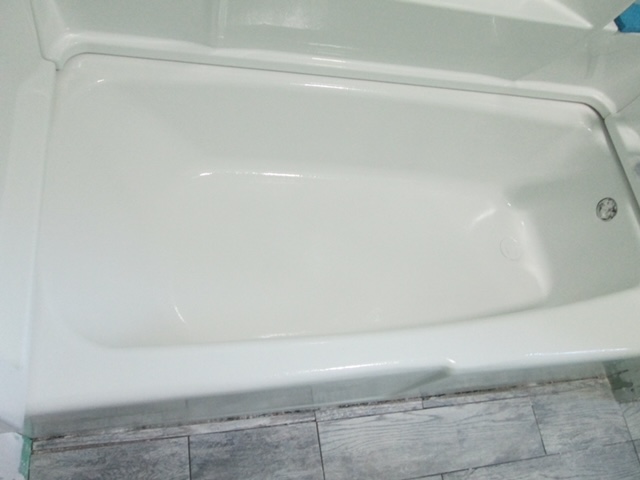
This page provides a practical guide to bathtub reglazing paint in Rockland County, NY, detailing material compatibility, finish options, and an expert application process designed for a smooth, even finish. Readers will learn which tub substrates take reglazing best, the pros and cons of two-part epoxies, urethanes, and waterborne paints, plus safety considerations and proper curing conditions. It also covers color and finish selection and maintenance tips to help homeowners achieve a fresh bath without replacement.
Where can I get bathtub reglazing paint in Rockland County, NY?
Reviving a worn, stained, or outdated bathtub with professional bathtub reglazing paint is a cost effective way to get a fresh finish without tearing out the fixture.
In Rockland County, NY, where seasonal humidity, cold winters, and common hard water mineral staining accelerate visible wear, choosing the right reglazing paint, finish, and application process matters for appearance and value. Below is a practical, expert guide to paint options, material compatibility, application techniques, curing expectations, safety considerations, and choosing a finish that complements local bathroom styles.
Why does reglazing paint matter for Rockland County homes?
Rockland County homes often face hard water deposits and fluctuating indoor humidity. These factors make tubs look dingy faster and can etch or stain original glazes. Professional reglazing paint restores surface gloss, seals imperfections, and resists staining when applied correctly.
Properly selected products and finishes will also stand up better to local cleaning habits and environmental stresses.
Which tub materials are compatible?
Not all tubs are the same. Reglazing paint and primers must be matched to the substrate for adhesion.
• Porcelain and porcelain-enameled cast iron: Best candidates. They accept acid-etch or mechanical prep and bond well to urethane, epoxy, or acrylic topcoats.
• Cast iron (bare metal rusted): Requires rust removal and special primers before topcoat application.
• Acrylic and fiberglass (gelcoat): Use products formulated for flexible substrates; these require gentler sanding and flexible topcoats to avoid cracking.
• Cultured marble and solid surface: Some can be reglazed but need polyester-specific primers; test adhesion before full application.
• Polymer-coated or recently recoated tubs: May need stripping or adhesion testing; not all factory coatings accept new topcoats.
What are common bathtub reglazing paint types and finishes?
Understanding your options helps you pick a solution that matches appearance goals and performance needs.
• Two-part epoxy: Very chemical-resistant. Often used for heavy-use refinishes. Cure times vary.
• Urethane topcoats: Offer excellent gloss and abrasion resistance; commonly used by pros for a high-gloss showroom look.
• Acrylic enamel: Easier to spray and touch up; good balance of cost and performance for residential work.
Finish choices:
• High-gloss: Maximum reflectivity, easiest to clean, highlights color and makes small bathrooms feel larger. Best for heavy-use tubs.
• Semi-gloss/satin: Softer sheen hides surface flaws better while remaining relatively easy to maintain.
• Matte: Trendy and contemporary but can show water marks and may be harder to clean; not usually recommended for high-use tubs.
• Textured/anti-slip: Additive or separate treatment on the tub floor to reduce slip risk without altering wall gloss.
What are the application process and professional techniques?
A consistent, professional process is what delivers a smooth, even finish.
1. Inspection and repairs: Fill chips, treat rust, and test substrate adhesion. Structural problems must be fixed before coating.
2. Deep cleaning: Remove soap scum, oils, and mineral deposits with alkaline cleaners and rinsing.
3. Sanding or acid-etching: Create a profile for primer adhesion. Technique depends on material.
4. Priming: Apply a compatible primer that bonds to the tub surface and the topcoat.
5. Topcoat application: Typically sprayed with HVLP or professional spray systems for an even finish. Most jobs use 1 primer coat and 2 topcoats.
6. Flash and dry stages: Short wait between coats to control runs and achieve uniform thickness.
7. Final cure and inspection: Check for imperfections and perform light touchups if needed.
Spray application by a skilled technician produces the smoothest, most even results; brush or roller applications are more likely to show texture.
What are the curing times?
• Initial dry to touch: varies with the product and conditions.
• Light use: Often allowed after 24 to 48 hours with professional systems.
• Full chemical cure: Typically 7 to 30 days. Two-part epoxies and urethanes can take longer for complete hardness.
Temperature and humidity affect cure. In Rockland County winters, maintain stable indoor heat to meet these ranges during winter reglazes.
What are the safety and indoor environment considerations?
Reglazing involves solvents and chemical coatings. Safety and indoor air quality are critical.
• Ventilation: Use strong exhaust ventilation during application and curing. Keep windows open when weather permits.
• Skin protection and eyewear: Nitrile gloves and safety glasses.
• Vent cure times: Keep guests, children, and pets out of the area during recommended ventilation and cure windows.
How do I choose the right color and finish to match bathroom decor?
• Classic whites and off-whites (glacier white, bone, almond): Timeless and reflect light in smaller Rockland County bathrooms. Good with vintage tile and cast iron tubs.
• Warm neutrals and greys: Pair well with modern vanities and matte brass fixtures. Choose warm- or cool-toned greys to match tile undertones.
• Dark colors (charcoal, black): Create dramatic focal points but show water spots and require careful maintenance.
• Coordinating undertones: Compare reglaze samples next to tile and countertop under natural and artificial light; warm lighting can change appearance.
• Finish selection: High-gloss if you want reflectivity and easier cleaning; satin if you want to conceal minor imperfections and create a modern look.
What are some maintenance tips to keep the finish looking its best?
• Use nonabrasive cleaners and soft cloths. Avoid harsh scouring pads and abrasive powders.
• Limit exposure to harsh chemicals frequently; occasional bleach is OK if rinsed thoroughly, but avoid constant use.
• Use bath mats and protectants to reduce concentrated wear in the same spot.
• Address chips or peeling early to prevent water intrusion and substrate damage.
• Consider a water softener or vinegar rinses to reduce mineral buildup common in Rockland County.
Choosing the right bathtub reglazing paint and finish for your Rockland County home means balancing appearance, cleanability, and local conditions. Professional prep, proper product selection for your tub material, controlled application, and following cure and maintenance guidelines will give you a refreshed tub that looks great and performs well.
Every service starts with a free estimate
Your tub has one more life in it. Let's bring it out.
Call or text Hudson Tubs for a free, flat-rate estimate — most tubs are reglazed in a single day and back in service within 24–48 hours.
Flat-rate pricing · Written warranty · A fraction of replacement cost