Putnam County, NY
Bathtub Reglazing Paint in Putnam County, NY
Bathtub reglazing paint service in Putnam County, NY: restore stained tubs with fresh finishes. Learn about materials, finishes, and professional application.
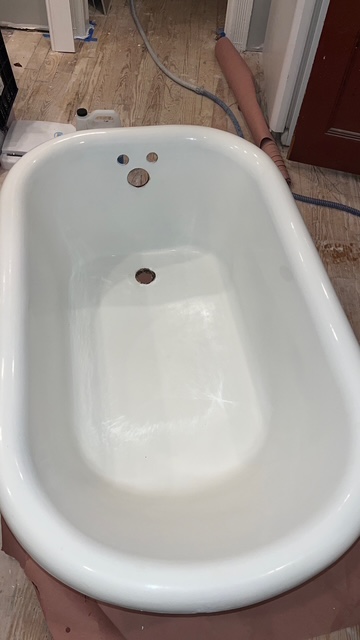
Bathtub reglazing paint in Putnam County, NY provides a cost-effective refresh for stained or worn tubs, with material-specific finishes and professional application guidance. This page outlines suitable topcoats for porcelain enameled cast iron, cast iron, acrylic, fiberglass, cultured marble, and clawfoot tubs; explains 1K and 2K systems, epoxies, and aerosol kits; discusses color and gloss options; walks through the complete multi-step process from prep to cure; and offers maintenance tips to keep the finish looking its best in historic and modern homes.
What is bathtub reglazing paint in Putnam County, NY?
Bathtub reglazing paint is a cost-effective way to restore stained, chipped, or dated tubs to a fresh appearance without the disruption and expense of full replacement.
In Putnam County, NY, where many homes are older and feature cast iron and clawfoot tubs, and where seasonal humidity and hard water can accelerate surface wear, selecting the right reglazing paint and finish is essential to long-term performance and appearance.
What are common tub materials and recommended finishes in Putnam County?
Different tub substrates require different paint systems and preparation. Knowing your tub material helps you pick the correct finish.
• Porcelain or enameled cast iron
• Best finishes: catalyzed epoxy or 2K polyurethane topcoats over a bonding primer.
• Why: these systems bond well to hard enamel, resist yellowing, and handle frequent cleaning.
• Cast iron (exposed metal at chips or rust)
• Best finishes: epoxy primer with a polyurethane topcoat; rust treatment for exposed areas.
• Why: cast iron benefits from rust arresting and a robust topcoat to prevent re-corrosion.
• Acrylic and fiberglass
• Best finishes: flexible urethane or acrylic-modified coatings formulated for flexible substrates.
• Why: these coatings flex with the substrate and reduce risk of cracking or delamination.
• Cultured marble or gelcoat surfaces
• Best finishes: specialized adhesion-promoting primers plus a compatible topcoat (often urethane-based).
• Why: gelcoat needs surface-specific bonding agents to avoid adhesion failure.
• Clawfoot tubs (often older cast iron)
• Best finishes: two-component systems chosen for a historic look.
What are the different types of reglazing paint products?
Choosing between product types determines wear resistance, look, and cure behavior.
• 1K acrylic enamel
• Cons: more prone to wear and yellowing over time.
• 2K (two-component) polyurethane or catalyzed acrylic
• Pros: superior hardness, chemical resistance, and color stability.
• Cons: requires accurate mixing, professional application, and proper ventilation.
• Epoxy-based systems
• Pros: excellent adhesion and chemical resistance, often used as primers or base coats.
• Cons: can be rigid and may not be ideal for flexible acrylic tubs unless formulated for flexibility.
• Specialty aerosol kits
• Pros: DIY-friendly for small fixes.
• Cons: faster wear and lower finish quality compared with professional liquid systems.
Professional systems used by experienced technicians typically offer higher solids and better adhesion than retail or DIY products.
What are the color selection and finish choices for Putnam County homes?
Color and gloss affect the bathroom’s aesthetic and perceived space. Consider these regional style cues and practicalities:
• Popular colors: classic white, biscuit, almond, soft gray, and deep matte black for modern farmhouse looks.
• Hudson Valley aesthetic: many Putnam County homes favor neutral, warm tones that pair with vintage fixtures or natural stone.
• Gloss levels:
• High-gloss: bright, reflective, easiest to clean, shows imperfections less when applied uniformly.
• Semi-gloss: balanced shine and ease of maintenance.
• Satin/matte: contemporary look that hides small scratches but can show water spots and is slightly harder to clean.
• Accessibility and safety: choose contrasting rim colors or textured bottom coatings for households with seniors or children to improve visibility and slip resistance.
What should I expect during the application and curing process?
A professional reglaze follows a controlled, multi-step process to ensure adhesion and an even finish.
1. Inspection and repair
• Assess chips, cracks, rust, and substrate type. Repair chips with epoxy fillers and treat any rust.
1. Cleaning and surface prep
• Deep cleaning to remove soap scum, oils, and mineral deposits, followed by sanding or acid etch where appropriate.
1. Priming/bond coat
• Apply a primer or bonding agent tailored to material.
1. Topcoat application
• Multiple thin coats of the chosen reglazing paint applied with spray equipment for uniform coverage.
1. Flash and cure
• Short flash times between coats, then an initial dry period (typically 24-72 hours) with full chemical cure often taking up to 7 days.
1. Final inspection and protective measures
• Ensure even gloss and surface hardness, then advise on proper first-use timing.
Environmental factors matter: ideal application conditions are typically 60-80 F with low humidity. In Putnam County, avoid applying during very cold or very humid days; temperature and humidity can affect curing and adhesion.
What are the performance expectations and maintenance requirements?
Results depend on materials, usage, professional application and proper care.
Factors that wear down the finish:
• Aggressive cleaners or abrasive scrubbers
• Repeated standing water and mineral buildup from hard water
• Physical impacts or scraping with metal tools
Maintenance tips:
• Use non-abrasive, pH-neutral cleaners and soft sponges.
• Rinse after bathing to reduce mineral deposits.
• Avoid bath oils and nail polish remover contact; clean spills quickly.
• Consider a water-softening solution if hard water is a chronic issue in your home.
How do I choose the right finish for my tub and lifestyle?
Match finish properties to how the tub will be used:
• High-traffic family bathroom or rental property
• Choose a 2K polyurethane or epoxy-polyester system for high chemical resistance.
• Historic homes with cast iron or clawfoot tubs
• Use a catalyzed system designed to replicate the original glossy finish while addressing rust and adhesion concerns.
• Modern bathrooms seeking a soft, designer look
• Consider satin or matte urethane topcoats formulated to resist stains and maintain color stability.
• Homes with mobility concerns
• Add a slip-resistant bottom coating or a semi-matte finish combined with anti-slip treatments to balance safety and appearance.
What are common problems and how can I avoid them?
Understanding failure modes helps ensure a good result.
• Peeling or delamination
• Cause: poor prep or moisture. Fix: ensure professional sanding/etching and substrate dryness.
• Orange peel texture or runs
• Cause: incorrect spray technique or improper viscosity. Fix: experienced applicator and proper equipment settings.
• Yellowing over time
• Cause: low-quality topcoat or UV exposure. Fix: select non-yellowing, UV-stable systems.
• Bubbling or solvent pop
• Cause: trapped moisture or inadequate flash between coats. Fix: controlled environment and correct dry times.
Choosing a professional system and verifying the applicator’s prep and curing protocols reduces risk of these issues.
Conclusion: Selecting the right bathtub reglazing paint in Putnam County, NY means matching product chemistry to tub material, choosing finishes that fit your home's aesthetic and usage patterns, and ensuring the reglaze is applied under proper environmental conditions. With correct prep, a high-quality catalyzed topcoat, and reasonable maintenance, reglazing provides an attractive alternative to full tub replacement that suits the region’s mix of historic and modern homes.
Every service starts with a free estimate
Your tub has one more life in it. Let's bring it out.
Call or text Hudson Tubs for a free, flat-rate estimate — most tubs are reglazed in a single day and back in service within 24–48 hours.
Flat-rate pricing · Written warranty · A fraction of replacement cost