Blog
Impact of Humidity on Tile Reglazing in NYC
Learn how humidity affects bathroom tile reglazing, from surface prep to curing, and how to plan your project around the seasons.
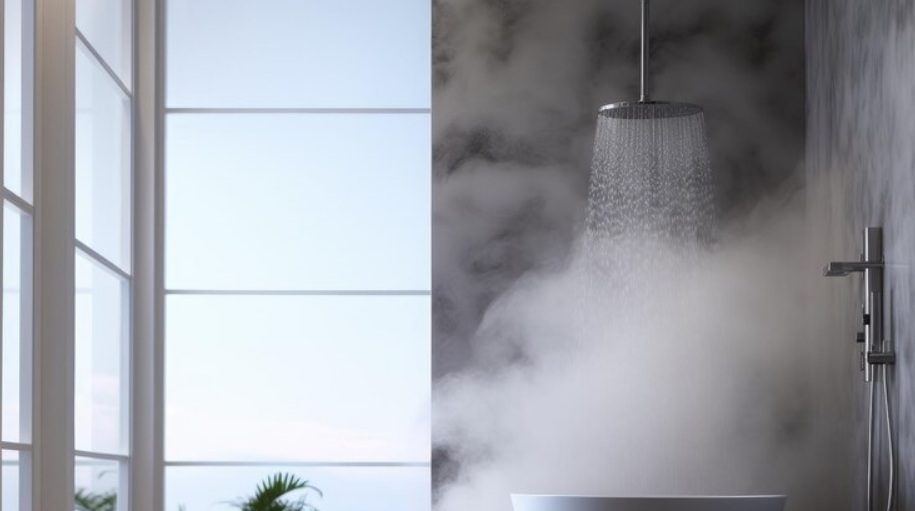
Keeping a bathroom looking its best requires more than just regular cleaning. A bathroom can quickly become susceptible to elements that can undermine home improvements. Maintaining aesthetics and functionality is essential, especially in a space where moisture is always present. One of the most popular methods to rejuvenate a bathroom is tile reglazing. This process revitalizes the look of old tiles, making it a cost-effective solution for many homeowners.
Understanding the environmental factors that can influence bathroom tile reglazing is crucial. Among these factors, humidity stands out as a significant player, particularly in areas like New York where the moisture levels can vary drastically. Understanding how humidity can affect tile reglazing results empowers homeowners to make informed decisions when planning their bathroom updates.
Understanding Bathroom Tile Reglazing
Bathroom tile reglazing involves applying a new finish over existing tiles, giving them a fresh, glossy appearance. This process is advantageous as it spares homeowners the mess and expense of removing and replacing old tiles. Reglazing is typically performed to renew worn-out surfaces and improve the overall look of the bathroom without extensive renovations.
Tile reglazing offers several benefits. It enhances the appearance of aging tiles, making them look fresh. This improvement can significantly impact the bathroom's overall atmosphere, creating a more inviting space. Moreover, reglazed tiles are easier to clean, reducing maintenance efforts for homeowners. By sealing the tiles with a fresh coat, reglazing also provides additional protection against damage from water and daily use.
The Role of Humidity in Bathroom Tile Reglazing
Humidity is a critical factor in any bathroom renovation project. In New York, where humidity can fluctuate, it poses unique challenges to the tile reglazing process. High humidity levels can interfere with several stages of reglazing, from preparation to the final drying phase. Understanding these effects can help in achieving optimal results.
Humidity affects several key aspects of tile reglazing:
1. Preparation: For effective reglazing, the surface must be completely dry. High humidity levels can make it difficult for moisture to evaporate, potentially compromising the adhesion of new coatings.
2. Application: Humidity can cause the applied finish to take longer to cure, and in some cases, it might not adhere properly, leading to an uneven coating.
3. Drying Times: Extended drying times due to humidity can disrupt schedules and prolong project completion. It's crucial to allocate more time or plan for additional drying aids.
To mitigate these challenges, it is advisable to control indoor humidity levels using ventilation or dehumidifiers. Choosing a period when the humidity is naturally lower, such as the transition between winter and spring, can also benefit the process. By implementing measures to address humidity, homeowners can protect the adhesion and aesthetic quality of the reglazing results.
Seasonal Humidity Trends in New York
In New York, the weather can be quite unpredictable, with humidity levels varying significantly through the seasons. As spring arrives, the moisture in the air starts to rise, reaching higher levels by early summer. This increase in humidity can have a substantial impact on planning bathroom tile reglazing projects.
During spring and early summer, the elevated humidity can make it challenging to dry surfaces properly. This can complicate the application process for those looking to reglaze their bathroom tiles around these times. Understanding these seasonal trends helps homeowners choose the optimal time for such projects, ensuring that conditions are conducive to a successful outcome.
Tips for Successful Tile Reglazing Under Humid Conditions
Planning ahead can make all the difference when tackling tile reglazing in humid environments like New York. Here are some practical tips to ensure the best results:
- Schedule strategically: Consider scheduling your project during periods of lower humidity, such as late fall or early winter. These times typically offer drier conditions that are more favorable for the reglazing process.
- Control indoor humidity: Use dehumidifiers or increase ventilation in the bathroom to help maintain a lower humidity level. Good airflow can speed up the drying time and improve the adhesion of the reglazing finish.
- Consult professionals: A reglazing professional can help manage the challenges posed by humidity and give advice on timing and preparation, using equipment and techniques suited to humid conditions.
Ready for a Bathroom Makeover?
Achieving a beautifully reglazed bathroom tile finish requires an understanding of how environmental elements, particularly humidity, affect the process. By considering New York's seasonal trends and employing strategic planning, homeowners can ensure their bathroom renovations are both timely and successful.
When embarking on bathroom tile reglazing, thinking ahead and mitigating the impacts of humidity can help preserve the aesthetics and functionality of your space. If you're considering a bathroom makeover, contacting Bathtub Reglazing on the Hudson is a good place to start; every job begins with a free estimate.
If you're ready to give your bathroom a stunning upgrade, Bathtub Reglazing on the Hudson can help you achieve impressive results with bathroom tile reglazing. For more information on our services, or for a free estimate or to book a service visit, please contact us today.
Every service starts with a free estimate
Your tub has one more life in it. Let's bring it out.
Call or text Hudson Tubs for a free, flat-rate estimate — most tubs are reglazed in a single day and back in service within 24–48 hours.
Flat-rate pricing · Written warranty · A fraction of replacement cost